Preparing for roof replacement is mostly about clearing the work area, protecting belongings, and planning for a few changes to your normal routine. Start with the contractor’s work plan, not a generic checklist. The roof design, equipment, material staging area, dumpster location, and project scope determine what must be moved and where people can safely be during the work.
Before installation begins, confirm the access route, start time, delivery plan, expected schedule, weather communication, and cleanup responsibilities. Then protect attic and interior belongings, move vehicles and outdoor items, and keep children, pets, and visitors away from active construction areas.
Your roof replacement preparation checklist
| Timing | Area or concern | Recommended preparation |
|---|---|---|
| Several days before | Interior and attic | Move or cover attic belongings. Secure fragile wall mounted or freestanding items because of possible vibration, dust, and debris. |
| Several days before | Household routine | Arrange alternate work, childcare, or pet care if occupants are sensitive to noise or disruption. |
| Day before or early morning | Vehicles and access | Move cars away from the driveway or agreed work area. Unlock gates and clear access routes. |
| Day before | Pets and children | Keep pets indoors or relocate them. Plan to keep children and visitors away from active work areas. |
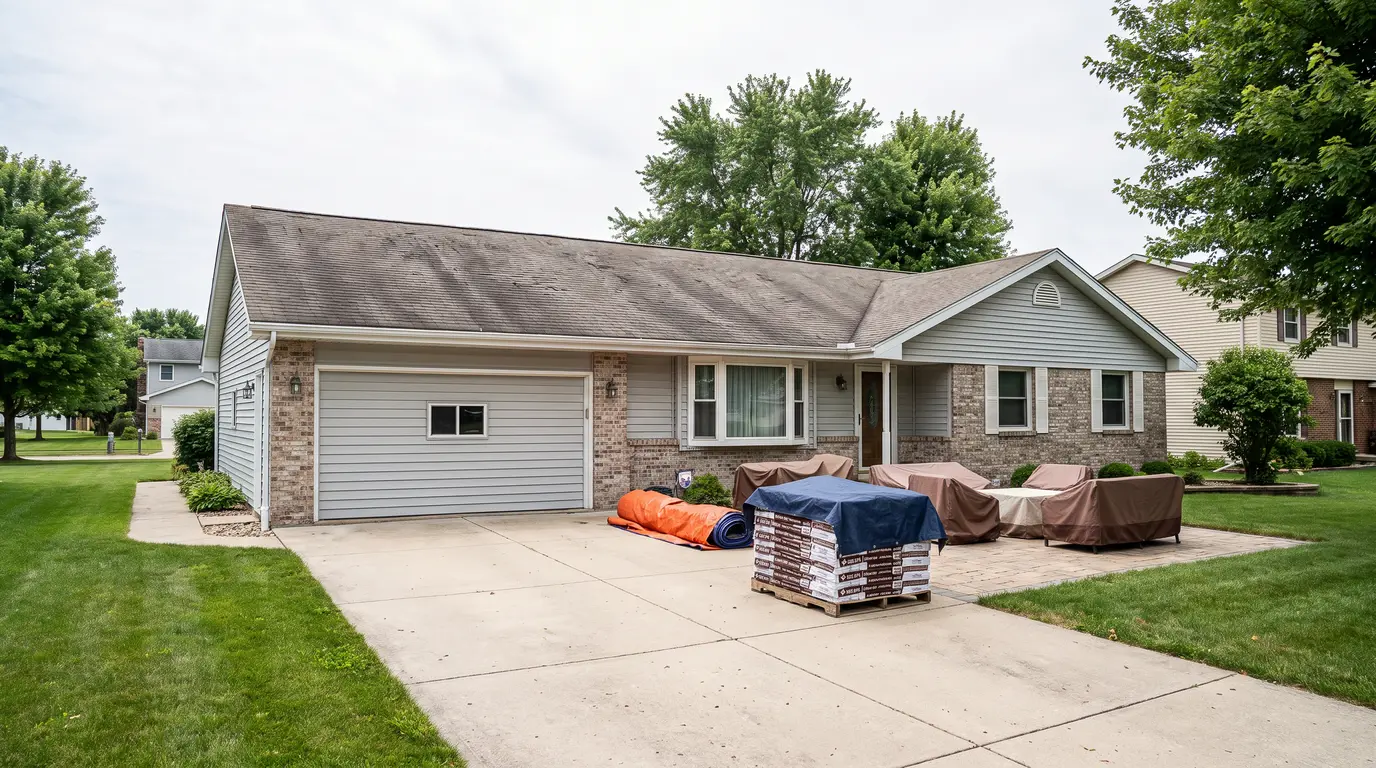
| Before work starts | Outdoor property | Remove or relocate portable furniture, decorations, toys, and other items near the work zone based on the contractor’s instructions. |
| After work | Cleanup and property check | Review landscaping, gutters, patios, driveway, and lawn. Confirm debris removal and request additional cleanup if needed. |
This table describes practical precautions, not universal construction requirements. Ask the roofing company which areas must be clear and who is responsible for protecting or moving items that remain nearby.
Protect belongings inside the home
Roof tear off and installation can create noise, vibration, dust, and debris. The amount varies with the roof design, tear off method, and project scope, so these steps are sensible precautions rather than a guarantee that interior dust or damage will occur.
- Move valuable or fragile items out of the attic before work begins. Covering them can reduce dust exposure, but moving them offers better protection where practical.
- Place a drop cloth on the attic floor if items remain in the space.
- Secure or temporarily remove fragile items attached to walls, including artwork, mirrors, televisions, and china cabinets.
- Keep important items away from areas directly below the active work when possible.
You do not need to climb onto the roof to prepare or inspect the project. Homeowners can provide access and share observations from the ground, while roof assessments and repairs remain with a professional roofing contractor. The National Roofing Contractors Association provides related safety guidance.
Clear access around the property
Move vehicles before the crew arrives, especially if the driveway will be used for deliveries, a dumpster, ladders, equipment, or worker access. The driveway may not be the only area that needs to stay clear. Equipment, material staging, the roof layout, and the delivery plan can change the required work zone.
Secure or relocate outdoor furniture, decorations, planters, grills, toys, and other portable items near the house. Unlock gates and remove obstacles along the agreed access route. Ask where vehicles should be parked and where materials or the dumpster will be placed.
Plan for noise, pets, children, and work disruptions
Roof replacement can interrupt normal household routines. Roof tear off and installation commonly involve loud activity, although disruption may vary by room, day, home layout, and contractor schedule.
If you work from home, arrange an alternate workspace for active work periods. Children and noise sensitive pets may be more comfortable away from the property. Keep children, pets, visitors, and anyone not involved in the project away from ladders, roofing materials, debris, and equipment. Pets should remain indoors or be relocated so they cannot reach the work area.
Weather or material delivery can change the schedule. Ask how delays will be communicated and whether you need to be available for decisions about concealed decking or other unexpected conditions discovered after tear off. For broader timing expectations, review how long roof replacement usually takes. A typical one to two day range for many standard asphalt shingle homes is not a guarantee for every project.
Confirm responsibilities before installation day
The most useful preparation conversation is specific. Confirm the written scope, selected materials, expected start date, point of contact, access route, staging area, dumpster location, and cleanup plan. Also ask which items you must move and which nearby areas the contractor will protect.
Ask these two questions before the crew arrives:
- What areas must be clear before the crew arrives, and who is responsible for protecting or moving items that remain nearby?
- How will you notify me about weather delays or concealed damage discovered after tear off?
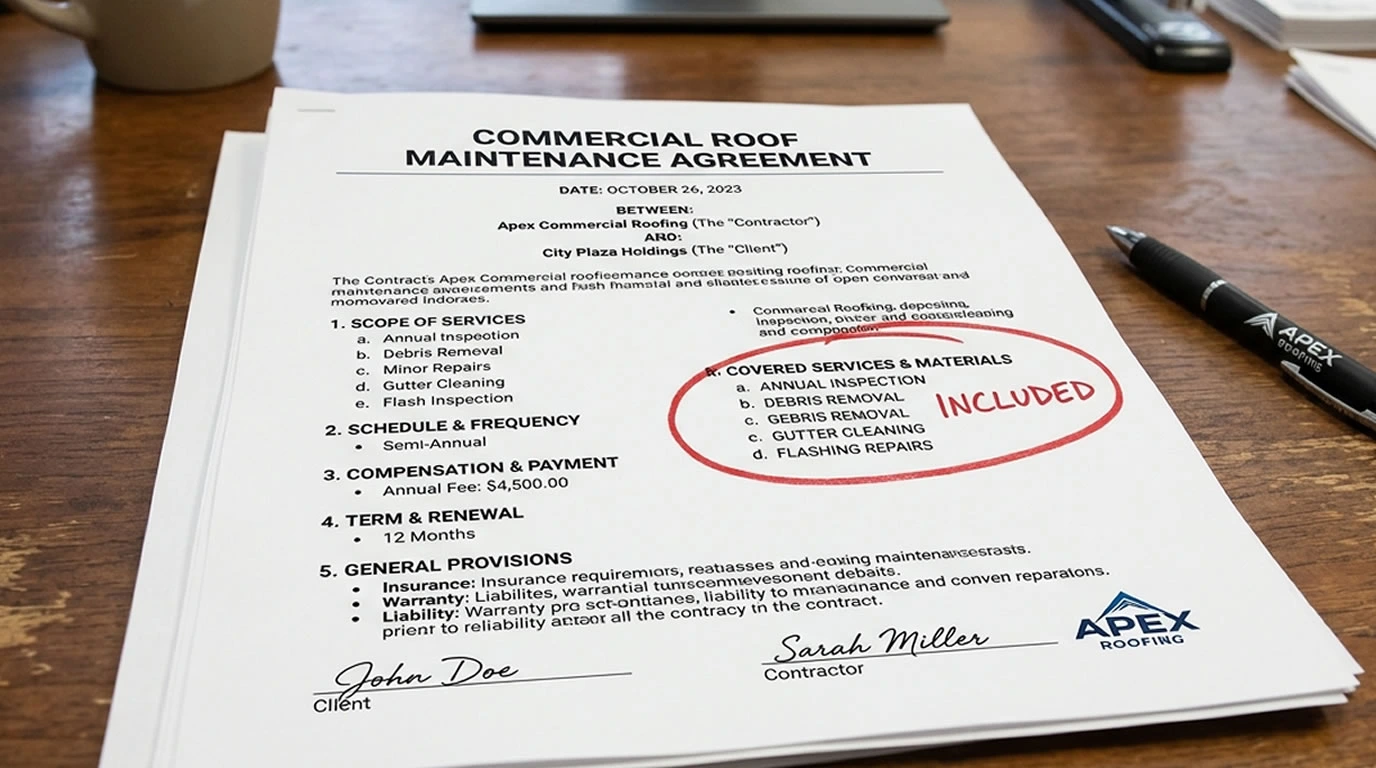
Review what your roof replacement contract should include so the scope, payment timing, warranties, cleanup, permits, and unexpected work are addressed before the project begins. Do not assume that permits, utility shutoffs, attic ventilation, or decking replacement are included unless the contractor confirms them in the contract.
Check the property after the crew leaves
After completion, review the lawn, landscaping, gutters, patios, driveway, and other areas near the work zone. Confirm that roofing debris has been removed and that the cleanup plan in the contract has been completed. A magnetic sweep for fallen nails may be appropriate, depending on the project and cleanup plan.
Report loose nails, remaining debris, damaged landscaping, or driveway concerns promptly. Your visual check does not replace the contractor’s cleanup obligations or a formal inspection, but it gives you a clear way to identify concerns while the project details are still fresh.
Questions homeowners often ask
Should items be removed from the attic before roof replacement?
Move valuable and fragile attic items before tear off when practical. If items remain, cover them and place a drop cloth on the attic floor. Vibration, dust, and debris vary by roof design, tear off method, and project scope, so these are precautions rather than a guarantee of interior damage.
Do I need to leave the house during roof replacement?
Not necessarily, but plan for loud activity and changing access conditions. An alternate workspace may help people who work from home, while children, visitors, and noise sensitive pets may be more comfortable away from the property during active work.
What should I check after the roofing crew leaves?
Check the lawn, landscaping, gutters, patios, driveway, and nearby areas for debris or possible damage. Confirm that debris has been removed and report loose nails or property concerns promptly. Do not climb onto the roof to inspect the work.
A smoother project starts with a clear work plan
The most useful next step is to ask the contractor for the exact areas that must be clear, the planned access and staging arrangement, the schedule communication process, and the cleanup responsibilities. Once those details are confirmed in writing, you can move the right belongings, arrange household care, and protect the property without preparing more than the project requires.